Photographs. First-person histories. A living archive.
Framed In The SouthThe South, in your words.
The South, in your words.
A place is more than the stories told about it. Help us build an honest, inclusive portrait of Southern life, one photograph and one personal history at a time.
A public digital story map is taking shape. Be part of it.
Led by Robin M. Boylorn, PhD, Executive Director of the Holle Center for Communication Arts at The University of Alabama.
- People
- Places
- Everyday life
- A brighter tomorrow
A more complete South, together.
01 / The living archive
A fuller picture of the South.
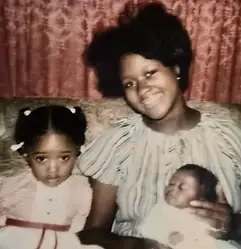
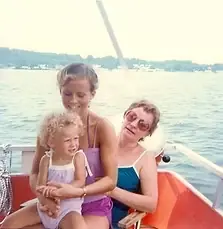
Framed In The South is a storytelling and archival initiative built from family Polaroid photographs and first-person histories. It documents the lived experience of Southern communities in the words of the people living it.
The country’s 250th anniversary is both the occasion and the rallying cry: to collect, curate and chart the location of stories that illuminate lesser-known parts of American life, culture, identity and history.
What is gathered becomes a memory-map of the Deep South and a publicly accessible archive of images and stories: a foundation the project keeps building on in later phases.
We are collecting from people born here, people who grew up here and live elsewhere now, and people who came from somewhere else and made a home here. None of those is treated as the real version.
Good places to start
- A family Polaroid and what was happening around it
- An everyday ritual: a meal, a drive, a Sunday
- Work: what you do, what your people did
- School, church, or wherever you were shaped
- Land, water, a house, a street that changed
- A community that held, or one that scattered
02 / States of focus
Where we are collecting first.
Six states in this phase. These are invitations, not summaries. Nothing here describes stories already collected.
Southern Spotlights
Recruitment for this phase is focused on those six states. Alongside them, the project features occasional stories from elsewhere in the South, gathered through its own network.
From the Black Belt to the Gulf, Alabama holds industry that arrived and left, farmland worked by the same families for generations, and cities that rebuilt themselves inside living memory. If you grew up between a mill town and a county road, or watched a place change faster than the story told about it, we would like to hear it.
Georgia runs from mountain counties to the coast, and the distance between a small town and Atlanta can feel much longer than the drive. Tell us about the move you made, the one you decided against, or the family that stayed put while everything around them shifted.
Louisiana is shaped by water: what it gives, what it takes, and what people build anyway. Whether your ground is a city neighborhood, a parish down the bayou, or somewhere you can no longer go back to, your account of it belongs in this record.
Mississippi has been narrated from outside more than almost anywhere in the country. If you have lived a life here that does not match what gets written about it, whether at work, in church, on a porch or in a classroom, that is exactly the correction this archive is for.
Tobacco and textiles gave way to research parks and new arrivals, and both versions of North Carolina are still standing next to each other. Tell us about the building that used to be something else, the town that grew, or the one that did not.
South Carolina holds the lowcountry and the upstate inside the same borders, with families rooted for generations and neighbors who arrived last year. We are looking for what belonging actually feels like here, from either side of that line.
03 / Contribute
Your story belongs here.
Start with a family Polaroid, a place, or a memory. It does not need to be polished and it does not need to be long. We are after your account, not an essay. Write it the way you would say it.
What you are agreeing to
By submitting, you are giving permission for your story, photographs and related information to be considered and used as part of Framed In The South, on the terms set out on the form.
You can withdraw that permission at any time before the project goes into production. Write to us and your material comes out.
What happens next
Every story we receive goes into the archive. There is no competition and no bar to clear: if you submit it, it is part of the record this project is building. All stories are welcome.
Separately, some submissions are also produced as a featured story or a Southern Spotlight, and we contact those contributors directly. Not hearing from us about that is not a judgement on your story. It reflects how much we can produce in this phase, and your story is in the archive either way.
If you opt in to project updates, you will hear from us about the project as a whole.
Questions
No. Most of what we collect is closer to talking than to writing. A few paragraphs in your own words is plenty.
Yes. Several photographs can go with a single story, and you are welcome to send more than one story. Each submission takes up to five stories and their photographs. To share more than five, submit again and tell us on the form that you are contributing more than once under the same name.
That your story, photographs and related information can be considered and used as part of Framed In The South, on the terms set out on the form. You are giving that permission at the point of submission rather than being asked for it later.
Yes. You can withdraw your permission at any time before the project goes into production. Write to us and your material comes out.
Only if your submission is being considered as a featured story or a Southern Spotlight, which we get in touch about directly. Most contributors will not hear from us about that, and it is not a judgement on the story: every story submitted is in the archive regardless. Opting in to project updates is a separate thing, and does bring occasional email.
It is collected and stored with your submission as part of the archive the project is building, under the consent you gave on the form.
Yes. People who left and carry the place with them are one of the three groups this project is built around.
Recruitment for this phase is focused on Alabama, Georgia, Louisiana, Mississippi, North Carolina and South Carolina. The project does feature occasional stories from elsewhere in the South as Southern Spotlights, so it is still worth submitting.
Submit your photograph(s) and your story
Everything is submitted through one form. It asks who you are and how to reach you, where the story is rooted and how you are connected to the South, the story itself, and any photographs you would like to include.
Submissions close on April 15th, 2027.
04 / Storying the South at America 250
A fuller account of the South is a fuller account of America.
The United States turns 250 in 2026. Anniversaries that size tend to be narrated from the top: founding documents, national figures, the version of the story that fits on a commemorative coin.
Framed In The South approaches the same moment from underneath, through the people who have actually been living in the country for the last few generations. A 250th is a reasonable time to ask who has been here, what they remember, and which parts of the national account leave them out.

05 / Who is behind it
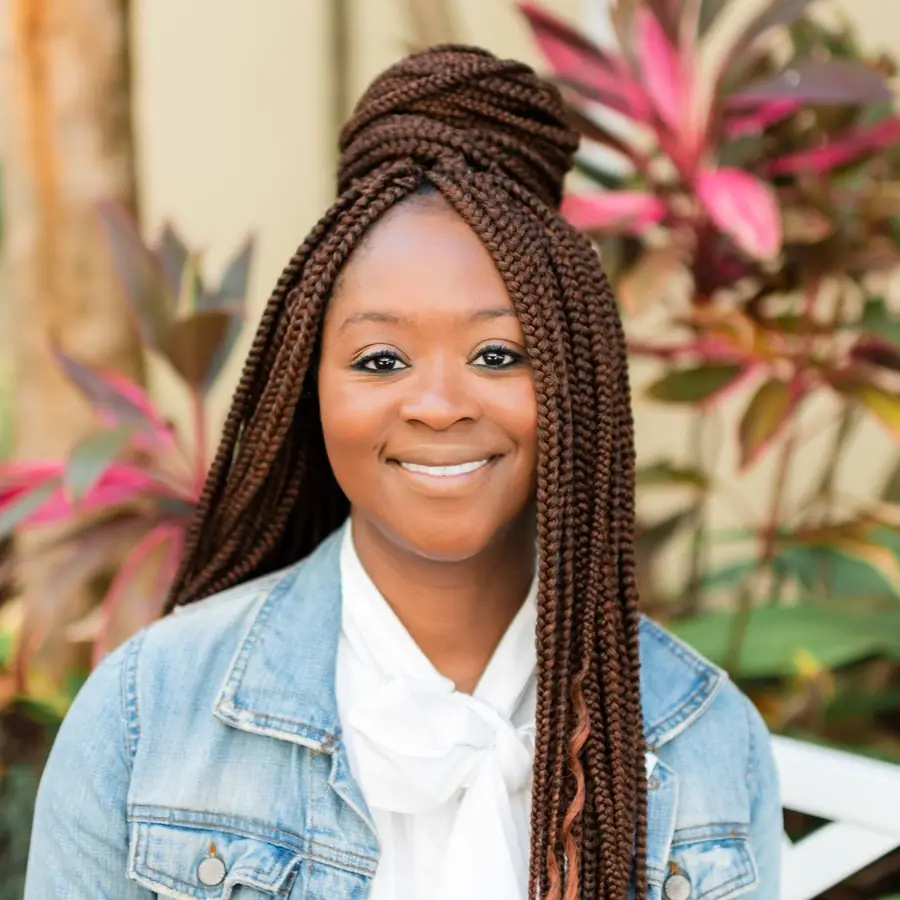
Led by Robin M. Boylorn, PhD
Executive Director, Holle Center for Communication Arts
Framed In The South is led by Robin M. Boylorn, PhD, Executive Director of the Holle Center for Communication Arts at The University of Alabama. The project is run from the Center, which means the decisions that shape it (who is invited, what they are asked, and how a story is handled once it arrives) are made in one place, by people accountable for them.
The Holle Center is an incubator for twenty-first-century nonfiction storytelling, working through arts-informed research, community engagement and creative collaboration. This project sits squarely in that remit: a scholarly collection method (recorded oral history, informed consent, careful description) applied to a region that is usually written about rather than asked. The method is the argument. How a story is gathered decides whose version of a place survives.
Housing the work in a university matters practically as well as intellectually. It means the photographs, recordings and transcripts have somewhere to live after collection ends, under people whose job is keeping things. Archives outlive the projects that fill them, and someone who gives an afternoon to this should be able to find their photograph again long after the collecting is done.
06 / Partners and contributors
The people behind the archive.
Framed In The South is made with collaborators across the region, and with students and staff at The University of Alabama.
Project
Project Director
Robin M. Boylorn
Holle Center for Communication Arts
Creative Producer
Terrence True
Web Development
Helios Design Labs
Collaborators
Jazz Franklin
Louisiana, Mississippi
The Southern Oral History Program
Center for the Study of the American South, The University of North Carolina at Chapel Hill
North Carolina, South Carolina
Graduate Assistant
Teralyn Campbell
University of Alabama
Interns
Alabama, Georgia
Alexz Adriyel
University of Alabama
Sam Seabolt
University of Alabama
Lacey Whitlow
University of Alabama
07 / Contact
Get in touch, or keep in touch.
Questions about the project, taking part, or working with us are all welcome.
Project updates
Occasional email as collection progresses and the story map opens. No more than that.
A collective portrait of Southern life.